
Understanding Malaysia’s Housing Market
PropIndex Malaysia Sdn Bhd provides comprehensive analysis of residential price trends, affordable housing initiatives, and household affordability metrics shaping the Malaysian property landscape.

Market Fundamentals & Real-World Impact
We’re PropIndex Malaysia Sdn Bhd, and we’ve spent years tracking how residential property prices shift across different regions and market segments. It’s not just about numbers—it’s about understanding what these trends mean for families trying to find homes they can actually afford. The Malaysian housing sector tells a story of growth, challenges, and ongoing efforts to bridge the affordability gap.
Malaysia’s property market has experienced significant evolution. Recent years have shown varied growth patterns across major metropolitan areas, secondary cities, and suburban developments. We analyze price indices across different property types—from high-end condominiums to affordable housing units—to provide a complete picture of market dynamics. This data-driven approach helps policymakers, investors, and homebuyers make informed decisions.
What makes our work different? We don’t just present statistics. We connect price trends to real household economics, showing how affordability ratios have changed and what that means for the average Malaysian family earning modest incomes.
What We Track & Analyze
Our research focuses on four critical dimensions of Malaysia’s housing market that directly impact affordability and accessibility.
Residential Price Index
We monitor price movements across different property segments, tracking both nominal values and adjusted growth rates to reveal true market momentum.
Affordable Housing Programs
Analysis of government initiatives designed to increase housing accessibility, including policy effectiveness and implementation challenges across states.
Household Affordability
We examine income-to-property ratios, mortgage accessibility, and the percentage of household income required for housing costs.
Market Segmentation
Detailed breakdown of price trends by property type, location tier, and buyer demographics to identify specific market opportunities and constraints.
PR1MA & Rumah Mampu Milik Programs
Malaysia’s commitment to affordable housing through structured, targeted initiatives.
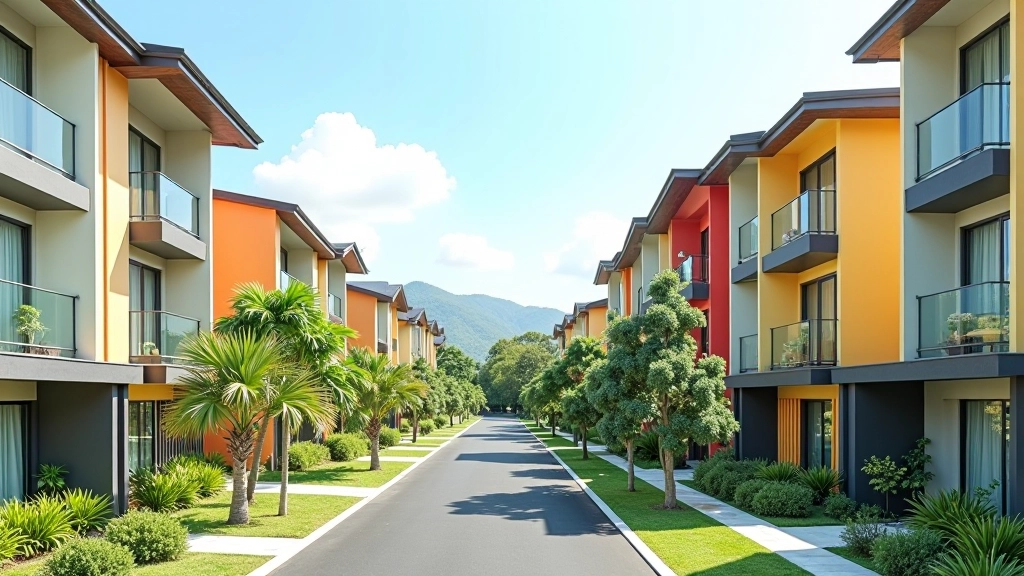
PR1MA (People’s Housing Project 1Malaysia) and Rumah Mampu Milik represent major government efforts to address the housing affordability challenge. These aren’t just building projects—they’re strategic responses to a market reality where many middle-income Malaysians struggle to afford decent housing in their preferred locations.
PR1MA targets households earning between RM2,500 and RM8,000 monthly, focusing on urban areas where demand is highest and affordability pressures are most acute. Properties are typically priced below market rates, making homeownership accessible to families who might otherwise remain renters. The program emphasizes quality construction, strategic locations near public transportation, and mixed-income communities.
Rumah Mampu Milik, meanwhile, serves lower-income groups and has achieved significant uptake in suburban and secondary city markets. Both initiatives have generated valuable data on construction costs, financing requirements, and long-term property appreciation patterns.
Affordability Ratios & Household Economics
Understanding the relationship between household income and property prices reveals the true accessibility landscape.
Varies by location and property type
Of household income for mortgages
Units needed vs. currently available
These metrics tell us something important: Malaysia’s housing affordability challenge isn’t uniform. In Kuala Lumpur and Selangor, price-to-income ratios exceed 8x for many properties, meaning a typical household would need 8 years of gross income to purchase a home. In secondary cities like Ipoh or Johor Bahru, ratios are more manageable but still challenging for lower-income groups.
We’ve found that households allocating more than 30% of income to housing costs face reduced financial flexibility for healthcare, education, and savings. This is where PR1MA and Rumah Mampu Milik interventions become critical—they’re designed to keep housing costs within sustainable ranges for their target demographics.
How PropIndex Malaysia Sdn Bhd Works
We combine quantitative market analysis with qualitative understanding of Malaysia’s unique housing challenges.
“Housing isn’t just about bricks and mortar. It’s about stability, opportunity, and whether families can build their futures without financial strain. That’s what we measure, that’s what we analyze, and that’s what drives our work at PropIndex Malaysia Sdn Bhd.”
— PropIndex Malaysia Sdn Bhd Research Team
Important Information
The information presented on this website is intended for educational and informational purposes only. Market analysis, price indices, and affordability data are based on available sources and historical trends, but real estate markets are inherently dynamic and subject to rapid changes. Property prices, affordability ratios, and government program parameters can shift significantly based on economic conditions, policy changes, and market sentiment. We encourage all visitors to conduct thorough research, consult with qualified real estate professionals, financial advisors, and government housing agencies before making property investment or purchase decisions. Individual circumstances vary considerably, and what applies to one market segment or region may not apply to another. Historical performance and trend analysis do not guarantee future results or market direction.